
In September, two large cardboard boxes were placed next to the teacher’s desk in the sixth-grade classroom.
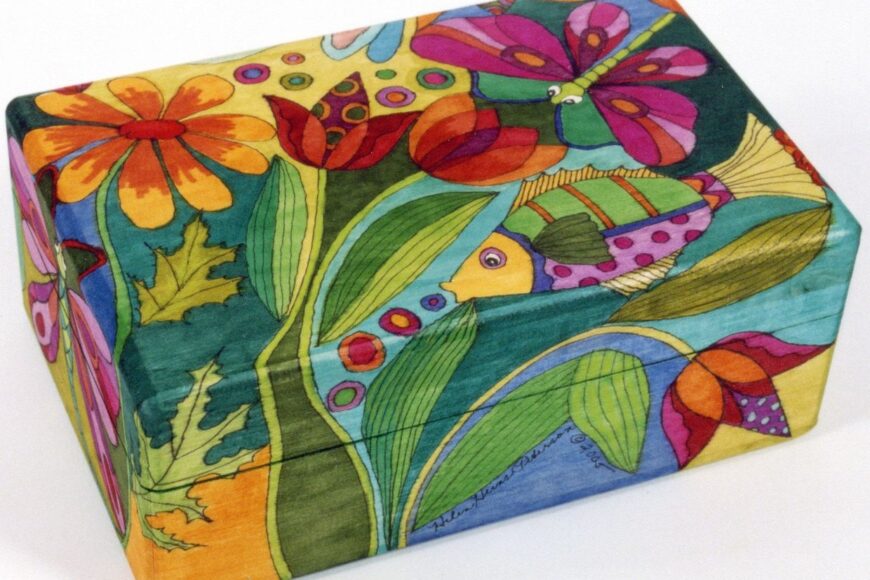
Inside the first box, adorned with little hearts, colorful doodles, and an abundance of flowers, we placed the important words we wanted to keep.
In the second box, colored black and dark colors, we decided to put the words we wanted to throw away.
So, when there’s a small disagreement in class, we analyze the words students used and, if they’re bad, we throw them in the black box. In the colored box, students hand in the kind words they’d like to say to their classmates, but sometimes don’t have the courage to say them out of shyness.
I also practiced this practice of keeping and throwing away words at the beginning of the year. What would I like to throw away? Definitely the word “bullying.” On the other hand, I’d like to keep the word “kindness” with me all year long, along with the words “slowness” and “time.”
My job this new year will be to teach kids that bullying and bullying don’t make a person stronger, and that even if we adults often show ourselves to be bullies and domineering, we’re not setting a good example. I think I’ll start by saying: “Guys, don’t honk at the traffic light for the person in front of you who doesn’t immediately turn green. Saying thank you is good for our hearts and for the person in front of us.
Time is precious and shouldn’t be wasted on long WhatsApp conversations, where more often than not we end up insulting, teasing, or uttering pointless criticism toward someone who isn’t there. Yes, you shouldn’t criticize people, ever; gossip is a sin, if the connotation of sin still exists. Everything that happens in these long WhatsApp conversations always ends up hurting someone. Let’s stand with those who aren’t there. Kindness makes us free and light. We must be kind, not just for a moment and then be pleased, but we must make kindness a good daily practice.
The passage of time must slow down again, untouched by the ringing of the phone or the thousand external solicitations. We must be good citizens, we must respect the rules of our society, even those rules that are too restrictive for us.”
To all my colleagues and parents who read these reflections, I add: “We adults must set a good example; children learn from us… If we use foul language, students will think they can do the same… If we look for the most convenient and least honest way to avoid a problem, we send children a distorted message, allowing dishonest actions to achieve our goal.”
I wish everyone a slow and kind New Year!
Nicoletta Coppo

