
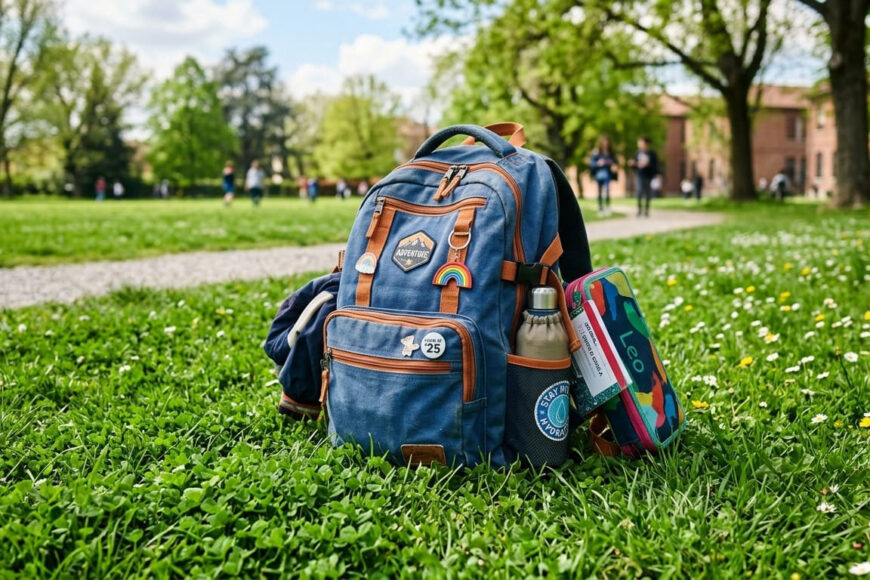
Summer is traditionally a time of leisure for students, but schools across Europe approach summer homework differently. While some countries encourage summer freedom, others opt for a more rigorous approach, imposing assignments to be completed during the long weeks of break. In this article, we explore the various school trends in different European countries regarding summer homework.
Finland is renowned for its innovative education system, which prioritizes active learning and student well-being. Here, homework is minimal, and during summer vacation, teachers tend to assign almost no homework. The goal is to ensure students have a period of rest and recuperation, promoting creativity and play. This approach reflects the Finnish philosophy, which considers free time essential to children’s well-being and development.
In Italy, the situation is more variable. There is no ministerial requirement for summer homework for all students; the decision is up to individual schools and teachers. Many teachers assign revision work for core subjects like Italian and math, but some schools also overload students with homework and exercises that take up significant amounts of summer vacation time.
In the United Kingdom, schools may assign homework during the summer holidays, but again, there is no fixed rule. Some teachers offer revision activities, readings, or creative projects, while others leave students completely free to do so. Summer holidays last about six weeks, and the choice of assignment depends greatly on the school and the individual teachers’ educational philosophy.
In France, summer holidays are long, but teachers often assign homework to students, especially in secondary schools, where students can receive exercises to keep their preparation fresh. This approach is seen as a way to ensure students don’t lose their momentum during the summer.
In Germany, the situation can vary greatly depending on the type of school. In primary schools, summer homework is generally limited. However, in secondary schools, students may receive more substantial assignments. Many teachers also encourage reading books during the holidays, emphasizing the importance of reading as a summer activity.
In short, holiday homework practices across Europe show a wide spectrum of approaches. While countries like Finland tend to emphasize summer freedom, others, like France, Italy, and the United Kingdom, may impose homework to ensure students stay engaged. This diversity reflects the different educational and cultural philosophies present in Europe, highlighting the importance of finding a balance between study and leisure.
In my opinion, homework is now done with a single click thanks to artificial intelligence. It’s not uncommon to see students quickly completing their assignments, losing sight of the value of real learning. For this reason, I’m inclined to provide reading material, novels, and anything that can keep students engaged. A book review that shows they’ve read isn’t enough; you need to invent something new that excites students about reading and keeps them glued to it, like when there were no cell phones and we all read great novels under the beach umbrella. Reading should return to being an engaging and stimulating experience, capable of transporting young people to new and fascinating worlds, far from the superficiality of the click.

