
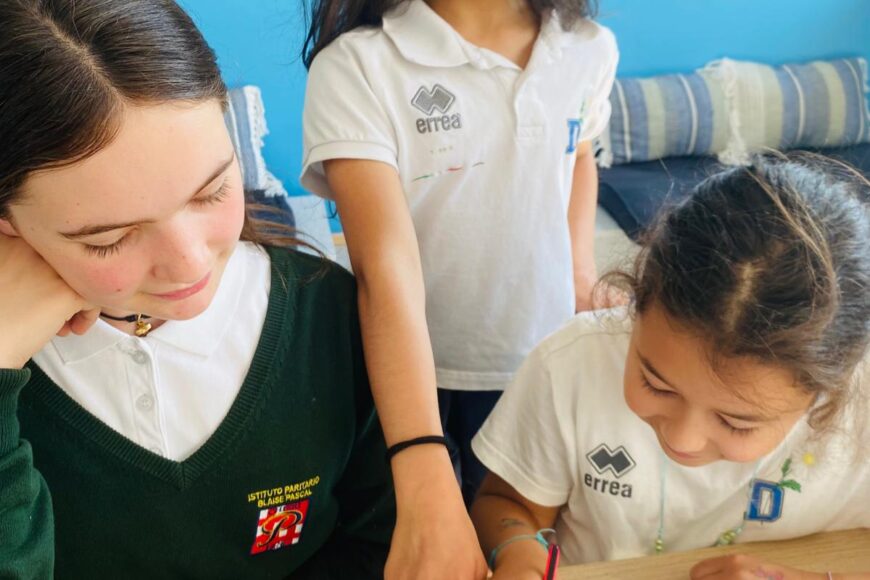
We live in an interconnected world, where every single life is intertwined with that of others. This awareness reminds us that our existence is not isolated, but part of a larger whole. Every day we have the opportunity to actively contribute to our community, whether it’s our school, the city we live in, or even the most intimate spaces like our bedroom. Every place can become a refuge and an opportunity for growth, as long as it is clean, tidy, and welcoming.
As George Bernard Shaw said, “My life belongs to the community, and while I live, it is my privilege to do all I can for it.” It is crucial that the new generations understand the importance of living in harmony with others, developing a strong sense of civic responsibility. Promoting a culture of legality and respect for rules is essential to developing informed citizens, ready to recognize their rights and duties. School plays a crucial role in this process: it must be a place where not only are notions learned, but fundamental values of democracy and respect are built. Through active citizenship projects, we can foster in young people a greater awareness of their role within the community.
A significant example of this approach is provided by teacher Lucrezia, who taught her children at Daisy Elementary School to take care of their environment. Her students learned not only to clean the classrooms, but also to wash T-shirts, hang out the laundry, and remove stains. These daily activities are not only useful practices, but also a way to instill values of responsibility and collaboration.
The ability to think collectively allows us to recognize that every individual effort contributes to the well-being of the entire group. As Mahatma Gandhi emphasized, “A drop plucked from the ocean perishes in vain. If it remains part of the ocean, it shares its glory in supporting a fleet of mighty ships.”
A healthy and clean school environment, for example, marks the beginning of a journey of education in responsibility and care for the places we inhabit. Responsibility doesn’t stop at school, but also extends to the public spaces of our cities and the little corners we call home.
Encouraging children to take care of their bedrooms, keeping them tidy and welcoming, is a fundamental step in instilling in them the value of care and respect for common spaces. Every small gesture counts, and together we can create an environment that represents not only ourselves, but also the community to which we belong.
Working for our community is not only a civic duty, but a privilege. With the right support and adequate opportunities, we can educate a generation of responsible and aware citizens, ready to contribute to the collective well-being. Let’s cultivate this sense of belonging and responsibility together to build a better future for all.

