
I asked artificial intelligence to write me an article on historical memory, and, as I expected, in a matter of seconds it produced an essay consisting of three paragraphs of empty air and two examples of historical memory, trivializing the Holocaust and the Resistance.
I thanked the artificial intelligence, which I’ve recently begun calling Cettina, and began writing as if I had to demonstrate that human intelligence is infinitely more sensitive and perceptive.
The Treccani dictionary defines historical memory as: “The values that, deriving from knowledge of one’s own history and tradition, constitute the spiritual heritage of a people and give it an awareness of its own identity.”
The divide between historical memory and individual memory is very subtle. Historical memory, by definition, refers to a network of knowledge and traditions that unite communities and social groups through the preservation of historical documents, while individual memory is the sum of experiences, handed down stories, and life memories that contribute to historical memory.
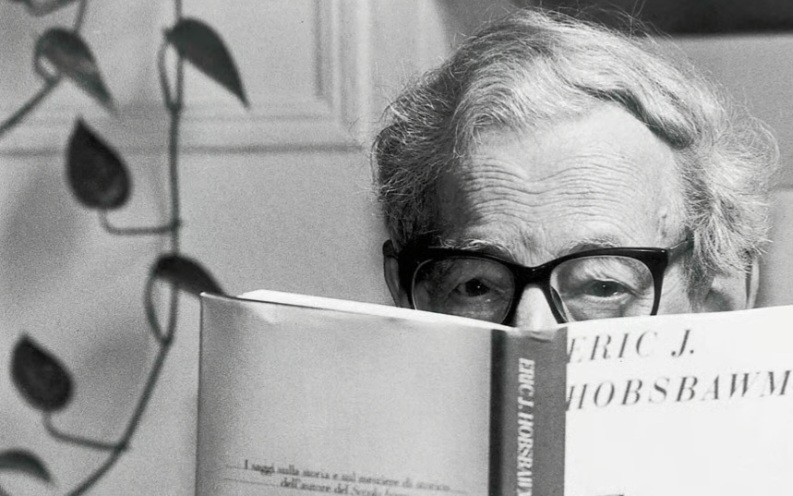
The distinction between history and memory, as outlined by Eric Hobsbawm in his studies of the twentieth century, highlights fundamental roles in the construction of our collective and individual identity. History presents itself as a critical and documented investigation, while memory represents the lived past, rich in subjective interpretations, often imbued with nostalgia and ties to the present.
Within this framework lies a “twilight zone,” a nuanced space where personal memories intermingle with public narratives. Here, the importance of individual memory emerges significantly: each personal experience contributes to shaping the collective narrative, making the individual an integral part of the shared history.
The growing diffusion of new media—blogs, social media, and smartphones—has transformed the way we share and preserve our memories. While these technologies offer platforms for personal expression and the sharing of experiences, they also risk compromising individual memory. The superficiality of online interactions and the tendency to document everything without reflection can lead to a loss of the depth that characterizes meaningful memories. This risks depriving future generations of authentic legacies and valuable lessons.
The danger of losing historical memory is just around the corner.
Hobsbawm warns: the “destruction of the past” can translate into an inability to learn from the tragic mistakes of our history. In the context of the “Short Twentieth Century,” he highlights how the memory of the great cataclysms of the 20th century, from world wars to the horrors of totalitarianism, is fading, thus compromising our ability to draw vital lessons from the past.
We must pause for a moment; we need time and reflection.
It is only through a slow and conscious dialogue between personal experiences and collective narratives that we can build a richer future, preserving what is truly meaningful for generations to come and ensuring that our personal stories are not forgotten. It is only through a perpetual dialogue with our students that we can safeguard the past and project our experiences and memories into a shared, unmisinterpreted future.

